Speaker Rental Info — What You Actually Need to Know
Forget Watts. Seriously.
Watts are to speakers what gasoline is to a car — fuel, not performance. The size and efficiency of the engine
determines how fast the car goes, not how much gas is in the tank. A fuel-efficient engine goes faster on less
fuel than a thirsty one. Same principle applies to speakers — a highly efficient speaker will be dramatically
louder than an inefficient one at the same wattage.
Watts measure how much power a speaker consumes, not how loud it is. A 2000 watt speaker is not necessarily
louder than a 500 watt speaker — loudness depends on the speaker's efficiency, not its power rating.
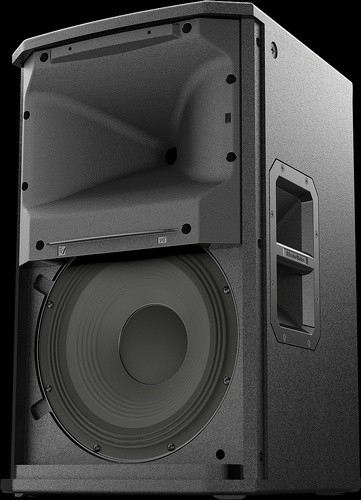
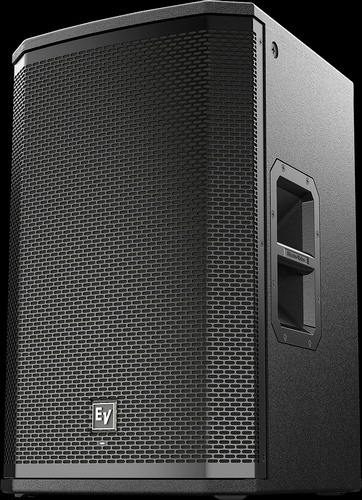
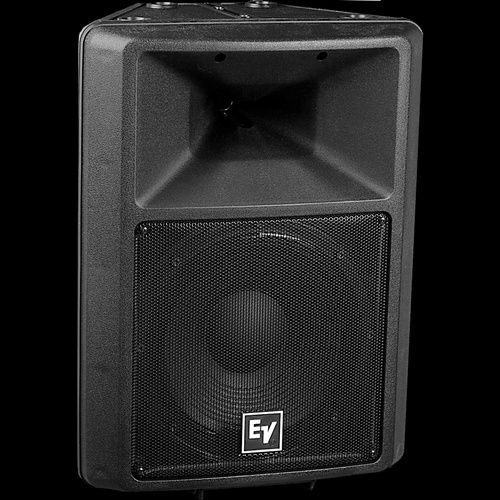
The ETX-12P for example produces 135 dB peak SPL. That's extraordinarily loud for a single box.
The right question isn't "how many watts" — it's "how many people, in what size space, indoors or outdoors?"
That's what determines the right system. Call us and tell us about your event and we'll sort it out.
Active (Self-Powered) vs Passive Speakers
Active speakers have the amplifier built in — you just plug them into power and a signal source.
Simple, fewer cables, less to go wrong. Most of our rental speakers are active for exactly this reason.
Passive speakers need a separate amplifier to drive them. More flexibility for larger systems,
but more gear, more cables, and more things to configure. Fine if you know what you're doing,
but for most events active is the right choice.
Do I Need a Subwoofer?
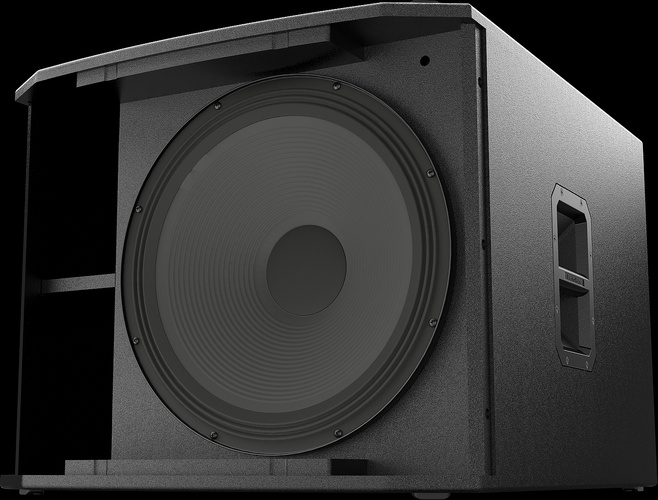
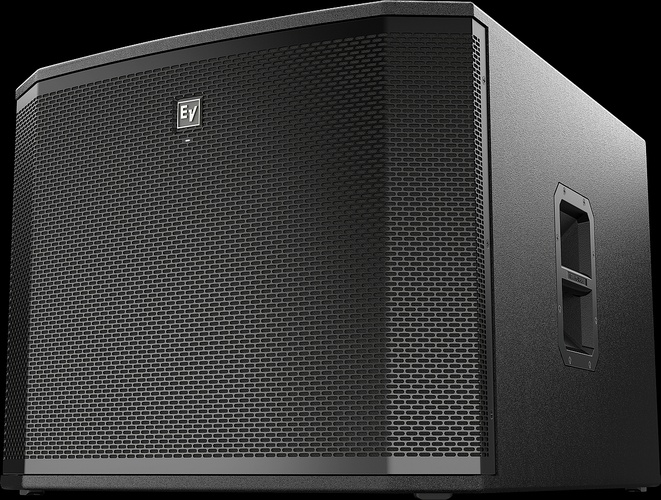
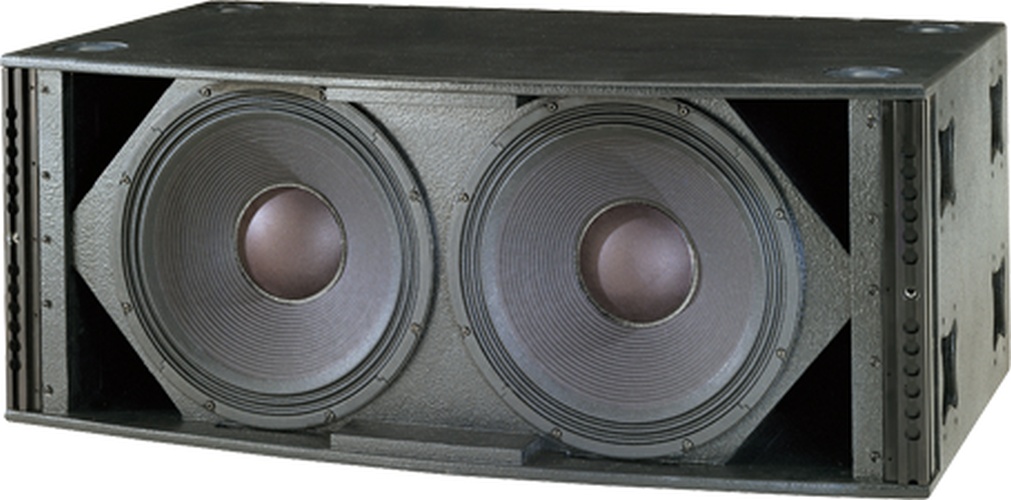
A subwoofer handles the low frequencies — the bass and kick drum that you feel as much as hear.
For background music or speech, you can often get away without one.
For dance music, live bands, DJ events, or anything where bass matters, yes you need a sub.
A system without a subwoofer will sound thin and quiet at low frequencies no matter how loud you turn it up.
How Much Sound Do I Need?
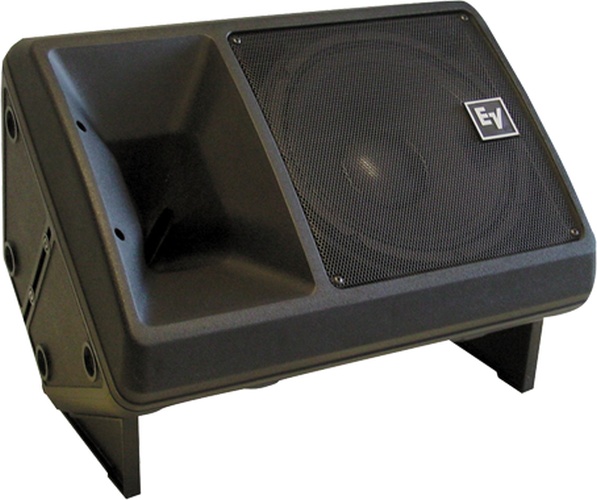
- Small gathering, under 50 people, indoors — a pair of ZLX-12P speakers will do the job
- Medium event, 50–200 people, indoors — a pair of ETX-12P plus a sub, or multiple boxes
- Large event, 200+ people, or outdoors — call us, this needs a proper system design
Outdoors always needs more speaker than you think. Sound dissipates fast in open air with no walls to reflect off.
Do I Need a Sound Technician?
For a simple background music setup you can likely self-operate.
For anything involving a live band, multiple microphones, monitors, or a large crowd — yes, hire a technician.
A bad mix ruins an event. A good technician pays for themselves.
We can provide experienced FOH engineers — ask us when you call.
What is a Decibel (dB)?
Decibels are the actual measurement of sound loudness. The scale is logarithmic — meaning it doesn't
go up in equal steps like a ruler. Every 10 dB increase roughly doubles the perceived loudness.
Every 3 dB increase doubles the actual acoustic energy. So the difference between 110 dB and 120 dB
is not a little bit louder — it's a massive jump.
| dB SPL |
Sound source |
Notes |
| 0 dB | Threshold of hearing | The quietest sound a human can detect |
| 15 dB | Soundproof studio | Near total silence |
| 30 dB | Whisper at 1 metre | Very quiet room |
| 40 dB | Quiet library | Background hum of a quiet space |
| 50 dB | Quiet office | Comfortable working environment |
| 60 dB | Normal conversation | Two people talking at a normal level |
| 70 dB | Busy restaurant | Background music and crowd noise |
| 80 dB | Busy traffic | Standing on a busy street corner |
| 85 dB | Hearing damage threshold | Prolonged exposure begins to damage hearing |
| 90 dB | Lawnmower | Power equipment at close range |
| 95 dB | Power tools | Circular saw, drill press |
| 100 dB | Nightclub / bar | Typical dance floor level |
| 110 dB | Live rock concert | Front of house at a typical concert |
| 120 dB | Chainsaw / threshold of pain | Immediate hearing risk without protection |
| 130 dB | Pneumatic drill | Jackhammer at close range |
| 140 dB | Jet engine at 30 metres | Military jet at close range |
To put this in perspective — our flagship rental speaker, the Electro-Voice ETX-12P, is rated at
135 dB peak SPL at 1 metre. That's the maximum output the speaker is capable of producing under ideal conditions
right in front of the box. In a real event environment with normal operating distances you'll experience
significantly less than that — but it means the speaker has plenty of headroom to fill your room
cleanly without strain.
Sound level drops approximately 6 dB every time you double the distance from the speaker.
So at 2 metres you're down to roughly 129 dB, at 4 metres around 123 dB, and at 8 metres around 117 dB.
That's still louder than a live rock concert — from a single box.
This is why a well-designed system with proper speaker placement beats cranking one box to its limit every time.